

5 Ways Men Can Stay Safe Traveling Independently
Learn the top ways for men to stay safe while traveling independently using research, technology, and good judgement for peace of mind.


Whenever I plan to travel independently, I often tell my parents, my friends and my family ahead of time. The reaction always tends to be mixed, but somewhat celebratory. I can’t say I blame them. Independent travel can be quite nerve-wracking for those who care about you. After all, you are venturing into unfamiliar territory all by yourself, with no one to rely on but yourself. In over a decade of traveling on my own as a man, it got me thinking about how men and women approach independent traveling, and the different perspectives both men and women have. While independent traveling can be fun and exhilarating for the participant, it's also challenging and can be quite scary - even for men. Lucky for you, i've gained valuable insights into what works and what doesn't. While there are plenty of resources available online for women to ensure their safety while traveling independently, and rightfully so, I have wondered what advice exists for men. How can men protect themselves while still enjoying their travel? I'll share my own ideas and also highlight the views of other men who travel independently.

Do Your Research Ahead of Time
For the past two decades, I have been working in the insurance industry, starting in claims and moving into an underwriting role in recent years. One key lesson I've learned in this field is the importance of managing and mitigating risk. When driving on the highway, even with all in the tech in our cars to prevent collisions, you still need to use your mirrors before moving into that center lane from the left lane. You wouldn't cross a lane unless it was safe to do so, so why travel to a destination without doing the research first? This is so important not only for navigating where you're going, but avoiding the crime infested areas. This goes for travel within the United States and all around the world.
It all starts with a purpose - why are you traveling? What do you want to see and do? No matter what you intend to do, men need to do their research and explore if this is an area right for them to visit. There's no shame in deciding against a destination or in favor of another destination. After all, traveling independently is about what you want to do.
X and Pinterest are great places to start. You can follow me and/or other travel bloggers if you wish. Generally, you will find our reviews to be authentic and based on personal experience. We're also going to be honest with you and tell you where to go and where to avoid.
When you settle on that particular destination you want to visit, start doing your research. Will you be flying or driving there? Where are you staying? How are you getting around? What activities do you want to do?
Safety is paramount when you select a destination, so you will need to see how safe that area is. If it isn't safe, how does that accommodation protect its guests? What security measures are in place? You wouldn't buy a house without looking into crime scores, so why would you subject yourself to a destination that isn't safe?
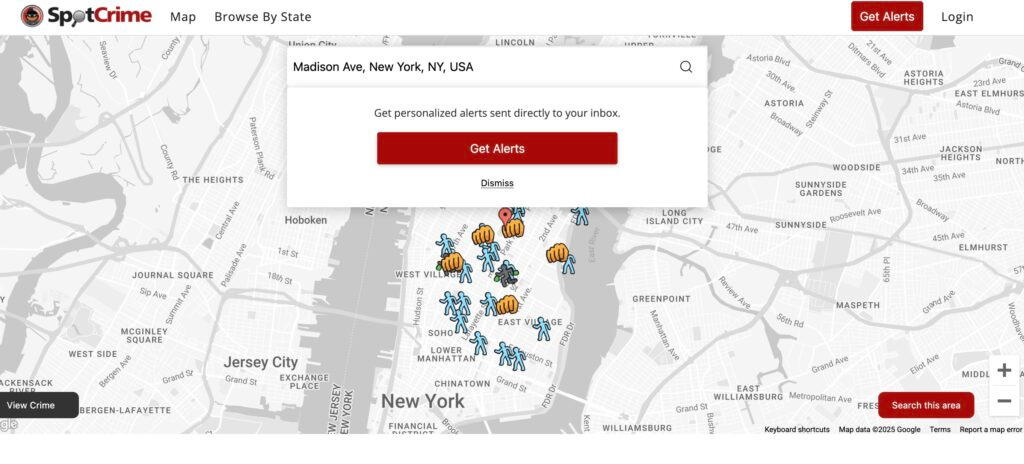
One such research tool I use in my day job is Spotcrime. Simply type in where you are staying, and it will show you the crimes that occur in any given area. It's not meant to scare you, but it will prepare you (hey, that rhymes!). You can also download the app to your phone as well.

Keep an Eye on Travel Advisories and Alerts
Whether you’re embarking on a journey within the borders of the United States or venturing abroad, it is crucial to always be well-prepared. Travel advisories are regularly issued, providing important information about various parts of the world. These advisories are not solely related to criminal activities or unrest; they can also be prompted by recent weather events. That is why it is essential to stay informed by regularly checking the news and weather updates, especially in anticipation of any upcoming weather events.
Additionally, conducting thorough research about the destination you plan to visit is highly recommended. Different times of the year may offer more affordable options, but it is important to understand the underlying reasons behind these price variations. For instance, if you are considering a trip to Florida or the Gulf Coast in late August or early September, it is crucial to be cautious about potential hurricanes as it is the peak of hurricane season in the Atlantic. If you are planning to stay in a city, it is advisable to research the surrounding area, and Google Maps street view can be an invaluable tool in this regard.
When traveling to another country, it is essential to check for any travel advisories and stay updated with their news. By doing so, you can minimize the chances of unexpected surprises or the need to alter your plans at the last minute. I’ll give you an example, even during the pandemic, I managed to embark on a few independent trips. In my state, there were Covid guidelines that required residents to quarantine after visiting certain “high-risk” areas or states. However, by exercising caution and visiting lower-risk states, I was able to travel to Colorado, Wyoming, and Pennsylvania (specifically Pittsburgh) without the need for a two-week quarantine. Nevertheless, I remained vigilant and avoided close contact with others for a few days afterward, just to be safe. The key is to stay informed and adequately prepared for any situation that may arise.

Resources to use for travel advisories:
US State Department Travel Advisory Map (its color coded!)



Tracking While Traveling for Safety
I personally hate tracking, but I understand it’s a necessary evil. I use it when I absolutely need to, and will consider using it more with close friends and family. Otherwise, it’s what texting is for! If you’re more comfortable with it, there’s plenty of ways to loop in your family and friends, and may be excellent tools for you:
FlightAware: This tracking tool is undoubtedly the most comfortable option I would choose, considering it provides access to public information. A few years ago, one of my friends introduced me to this website, and I have been relying on it ever since. The website offers a plethora of features, but its standout feature is the ability to track flights in real time. While having the flight number is ideal, you can also search for flights based on the departure and arrival airports. Additionally, you can search for flights by airline. As I mentioned earlier, being prepared is crucial, and FlightAware can help you anticipate airline delays by tracking the origin of the incoming plane. FlightAware also has a highly recommended app that I suggest for friends and family.
Life360: This app is widely recognized and is compatible with both iPhone and Android phones. It allows you to easily track the whereabouts of your family or friends. In addition to identity theft protection and roadside assistance, it offers emergency assistance, phone tracking, and digital safety features. You have the option to choose between free or subscription-based services. This can be particularly beneficial for families with diverse phone models.
If you’re an iPhone or Android family, you can turn on the “share my location” feature to share with select friends and family members. This is phone specific, and also does not work in all areas.


Blend In and Be Yourself
At my core, I would describe myself as an "extroverted introvert." but I genuinely enjoy connecting with others. A close friend of mine has witnessed my interactions during countless happy hours and trips, and he often expresses amazement at my natural talent for striking up conversations and putting people at ease. I’m not entirely sure how I manage it—perhaps it’s just part of who I am. I also have a knack for sensing people's intentions. If I get the impression that someone isn’t being genuine, I tend to keep my distance. It’s not meant to be rude; it’s simply a way for me to safeguard my own well-being. I share this not to brag, but to emphasize the importance of blending in and being yourself. I don’t actively seek out attention; I prefer to keep to myself and only engage when I feel compelled to. It’s all about being aware of your surroundings. I also know that not everyone is like me. While it’s great to be excited about a new place and advertise it to everyone, sometimes it’s best to hold back a bit.
BemusedBackpacker offers a humorous but perfect take on this:
Spot the backpacker? No that garish Hawaiian shirt or that Tiger Beer singlet you just bought is not the height of fashion, those board shorts are great for the beach but you are going to a fancy restaurant for crying out loud so put them away! I don’t care what that tout told you when he chased you down the street shouting ‘sir, sir, suit for you!’ You don’t look like god’s gift wearing that god awful T Shirt.
Sound harsh? Maybe. There’s nothing wrong with the odd beer branded vest top and shorts when you are relaxing on a tropical island somewhere, but wherever you go you should be mindful of the way you dress so as not to stand out and draw even more attention to yourself than you are already getting.
One of the best ways to stay safe is not to make yourself a target in the first place, and if you look like a typical tourist or backpacker and you stand out like a sore thumb, then you are going to have a huge tout target on your back whether you realise it or not. Those opportunistic thieves and muggers will think they have won the jackpot when they see you, assume you will have a ton of expensive gear and probably a lot of cash on you and will simply bide their time until they can relieve you of it all.
When you seamlessly integrate into your surroundings and carry on with your daily routine as you would in the comfort of your home, you avoid drawing unnecessary attention to yourself, and crucially, you won't appear as a potential target.


Use Credit Cards
Safeguarding your well-being extends to your financial health as well. Credit cards come with a distinct advantage over cash, offering a level of security that cash simply can't match. When you make a purchase using a credit card, you typically enjoy protection on all your transactions. Additionally, you can enhance your security with debit cards, travel insurance, and by keeping minimal cash on you. The reality is, in today's world, you really don't require as much cash as before.
HostelWorld offers a unique and random list of the other aspects men should be aware of, and among these - credit/debit cards and cash on hand are in mind:
You can’t guarantee you’ll avoid anything dangerous or dodgy, just like at home, but the fear is that, while travelling, you’re on the back foot. You can reduce your chances of getting involved in anything unpleasant.
Avoid confrontation and don’t swear at anyone – not even under your breath, not even if you’ve been overcharged by a taxi. Accept it as a loss. In the grand scheme of things, it probably isn’t that bad.
Know your landmarks – knowing where things are in relation to one another – and to your hostel – means you can keep your phone tucked away. Religious and government buildings are often signposted.
Have a couple of debit cards – if you lose one or it gets stolen, you’ve got a backup. Keep them in separate places – like one in your big backpack, one in your daypack.
Keep important things hidden away – pockets can soon be picked. Keep your passport, emergency cards and spare cash hidden away (but always within reach).
Get travel insurance – even if you get in a spot of bother – if your bag’s stolen, or you get horrendous travel trots – it means you’ve got a way out or a way home.
Book ahead – if you’re travelling from one city to another, have a room or bed booked for your arrival, and head there first. Settle yourself in, then explore.
Have some money spare – easier said than done, but keeping some money to one side can act as an emergency fund. If you’ve got a one-way ticket somewhere, make sure you’ve got enough for a one-way ticket back home, too.
Be nice, get some travel insurance, and use your debit and/or credit card. Simple enough!


Main Takeaway: Trust But Verify

Traveling independently can be a transformative experience, offering opportunities for self-discovery, personal growth, and the chance to explore the world on your own terms. While this guide may not encompass every conceivable scenario you might encounter on your journey, the strategies and insights I share here are the ones I personally rely on to ensure my safety as a man who often travels independently. Two key principles are at play: research and judgment.
Research involves gathering information about your destination, understanding its culture, customs, and potential risks. This preparation allows you to make informed decisions and helps you feel more at ease as you navigate unfamiliar environments.
Judgment, on the other hand, refers to trusting your instincts and being aware of your surroundings. It’s about listening to that inner voice that guides you in making choices that prioritize your safety and well-being.
In the end, these two principles have been my guiding force in maintaining my safety not just with independent travel, but in life in general.
