

Drifting Into the Connecticut River Museum
Dive into Connecticut River Museum—learn about history, trade, and transport while enjoying cruises along the beautiful Connecticut River.

Stretching over 400 miles, The Connecticut River meanders gracefully through the heart of New England, offering breathtaking views as it flows southward from the Canadian border to Long Island Sound. Nestled along this picturesque river is the charming town of Essex, Connecticut, and home to the renowned Connecticut River Museum. This museum, housed in a historic shipbuilding facility, showcases the river’s significance as a source of life. For its history, The Connecticut River would see Native tribes and settlements evolve into cities and towns, who would use the river for trade and transport, and finally, the river’s enduring place in wildlife conservation. When visiting, you can explore artifacts, interactive displays, and even take part in educational programs that deepen their understanding of the river’s impact on the region, making it a must-visit destination for anyone interested in the rich heritage of Connecticut and its waterways. Let’s explore the Connecticut River Museum and see if it’s worth a stop while traveling along the Connecticut shoreline.

The First Floor: The Great River and The Barrel Submarine
Upon entering and checking in at the main desk, the staff will guide you on your next steps. You have the freedom to explore as you wish and can begin your visit wherever you prefer. Personally, I like to start on the first floor when I come here.


The Connecticut River was created thousands of years ago, and the indigenous tribes made use of the river on both sides, with some even spanning the river’s boundary. Growing up in Connecticut, I became quite familiar with the names of these tribes, including Tunxis, Quinnipiac, Hammonassets, Podunks, and Agawams. These names have been preserved throughout Connecticut, appearing in schools, town names, and even on beaches. However, this dynamic would shift with the arrival of Dutch and English explorer ships in the 1600s. What began as a mutually beneficial relationship would eventually deteriorate as power dynamics changed. Towns and cities rapidly emerged along the river, and shipbuilding became a booming industry in Connecticut during the 1600s. After all, with the ships arriving, there was a need to repair and construct more! The arrival of these ships would lay the groundwork for the American Revolution a century later.


The experience of the Revolutionary War in this area encompasses a number of groundbreaking events. This first floor also showcases a replica of Bushnell’s Turtle, the world’s first functioning combat submarine, which was designed and created in 1775. While we often associate submarines with modern advancements over the last century, their origins trace back much further, and this particular vessel might even prompt those who are least claustrophobic to rethink their stance. Just picture engaging in battles inside what resembles a barrel! This innovative craft was conceived by David Bushnell just south of Essex in Westbrook and played a crucial role in the war efforts during the American Revolution. You can not only step inside the submarine yourself, but there’s also an interactive touchscreen display that allows you to delve deeper into the fascinating history of this remarkable invention.

The Second Floor: Steamboats and Yachting
The second floor showcases the development of these smaller vessels as they transition into steamboats. Long before airplanes, railroads, and highways existed, steamboats emerged as the main mode of transport for both goods and people. You will encounter miniature yet sizable replicas of steamboats, including one that closely resembles a contemporary cruise ship known as the SS Hartford. The Connecticut River, similar to many other rivers, transformed into a major transportation route for passengers and freight via steamboats during the nineteenth century. Interestingly, the museum itself was formerly a steamboat passenger terminal and cargo storage facility, fulfilling this role from 1878 to 1931. It continues to provide cruises for passengers, but more on that later…


The second floor also showcases exhibits related to yachting, featuring a large-scale boat used for “frostbite racing.” That’s right! Frostbite racing took place during the icy winter months and evolved into a genuine competition, complete with a festive atmosphere during the Great Depression. Additionally, you will find displays on stone quarrying, timber, and the development of manufacturing along the river, utilizing the water’s power to create items such as piano keys, croquet sets, gimlets, and even tusks! You’ll also discover how the land has been used for various purposes, from agriculture to tobacco, with some practices still in operation today. Lastly, there is an exhibit addressing environmental threats and the efforts made to restore the river over the last 75 years. This floor highlights the many uses of the river and its surrounding areas, emphasizing its crucial role in the growth and development of this region.

The Third Floor: Rotating Exhibits
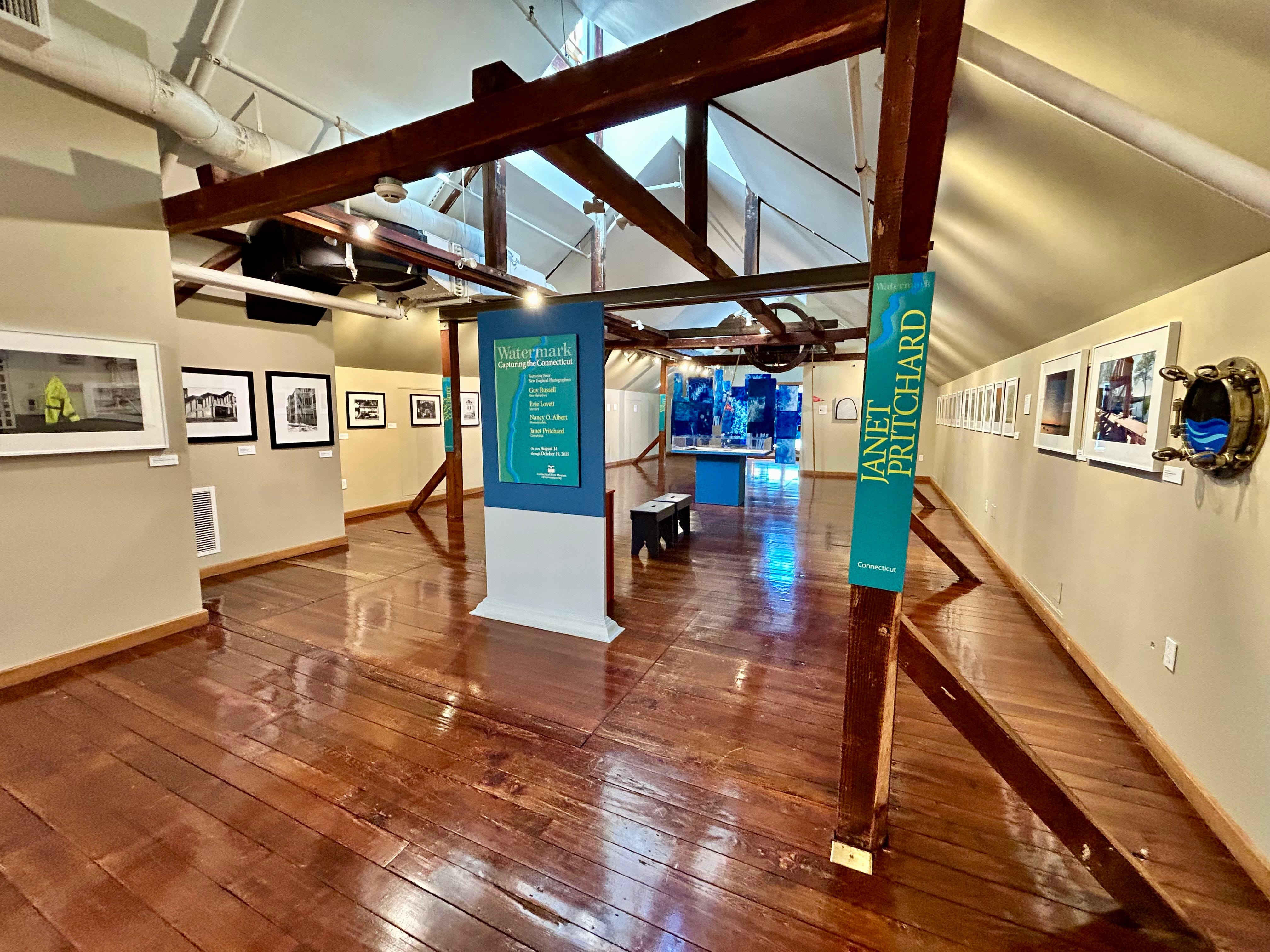
This floor is generally reserved for rotating and temporary exhibits. At the time of my visit in the fall of 2025, this portion featured photography of the river from local photographers
Take the Stairs. No really, take the stairs!


Don’t skip the chance to walk up and down the stairs! Here’s why. You’ll encounter a variety of images showcasing the river. Begin on the third floor and make your way down. The stairs provide a striking contrast to each level, with each floor illustrating the river’s journey from its origins to its current usage, complemented by rotating exhibits on the third floor. Starting on the third floor, you’ll find aerial images of the river and its surroundings, emphasizing the natural splendor of New England. Both the front and back staircases display numerous aerial photographs of the Connecticut River, and it will truly motivate you to delve deeper into the region in far less time than it would take to travel up and down the river! This is undoubtedly my favorite section of the museum.

Take the Riverquest Cruise


Earlier, I had mentioned that the building that currently houses the museum was once a steamboat passenger terminal. Well, if you plan a visit between late spring and mid-autumn, the Connecticut River Museum provides two cruise options for an extra charge. While it may not be a steamboat, it’s certainly the next best thing! I chose the Riverquest cruise, which takes place during midday, although there are various other cruises and times to consider. Passengers are required to remain seated when boarding and disembarking, but once the boat is fully on the river, you’re free to roam around. The cruise begins with the captain addressing everyone in a very humorous, light-hearted and relaxed manner. On this particular early autumn day at the time of my visit, the weather was pleasantly warm and sunny, and the boat was at full capacity. The lower deck is equipped with numerous tables and chairs, making it an excellent choice for a picnic, as I noticed several passengers bringing snacks and meals on board.


The crew will subsequently engage with the passengers, offering to distribute binoculars and even providing a “binoculars lesson”. I opted out of this, as my main goal was to capture some photos of the river and the boats. This cruise has a wildlife theme, so if that piques your interest, the binoculars will be quite useful. During the trip, we spotted eagles and a great egret, along with many other birds. Even if wildlife isn’t your thing, the cruise offers stunning views as you enjoy the fresh breezes and air, whether you choose to sit inside or stand outside at either end of the deck. Personally, I relished the opportunity to observe the other boats and soak in the surroundings.


The cruise ship is quite small and consists of just one level, which can feel cramped at times when there are many passengers on board. I believe my trip was fully booked, with a total of 44 passengers, including myself, along with the captain and crew. Cruises are available in February and March during eagle season, as many eagles gather in this section of the Connecticut River to feast on the fish that have moved downstream due to the icy conditions at the northern end of the river. The crew is exceptionally friendly; I had a lengthy chat with the captain’s wife about birds and photography while she captured numerous images of the birds and pointed out their locations in the trees. Next time I go on this adventure, I’ll be sure to bring binoculars!

Why You Should Visit the Connecticut River Museum
Visiting the Connecticut River Museum is a truly enriching experience that offers a unique glimpse into the region's maritime history and cultural heritage. From interactive displays that engage visitors of all ages to meticulously curated artifacts that tell the stories of those who lived and worked along the river, the museum provides a comprehensive understanding of the river's impact on transportation, trade, and recreation. Personally, I have visited over 5 times, and I learn something new every time.
The Connecticut River Museum is located on 67 Main St in Essex, CT. Check the website for hours, admission and other details.
The Connecticut River Museum is also one of the thousands of museums you can visit for FREE as part of the North American Reciprocal Museum (NARM) Program. Click the link below to learn more about this fantastic money-saving program.

