

Keep on Rockin' at the Rock and Roll Hall of Fame
Engage with the captivating displays at the Rock and Roll Hall of Fame and understand why this polarizing site is a crucial stop for any music enthusiast's itinerary

When I was a kid, my older sister and I shared a room in our two bedroom three family house, and in the moments where we didn’t fight, we would bond over music - the music in our mother’s record collection to be exact. I remember it fondly, seeing the album covers, and pulling out the records and listening to the Beatles, Billy Joel, Elton John, Lynryd Skynrd, Steely Dan, Doobie Brothers and so many others. I also distinctly remember my father outside doing work and having the oldies radio station on as it played Motown music, and hearing this normally very reserved man humming to the songs. This formed my musical foundation to where that music is what brings me to my “happy place” no matter how bad life can get. Music is that connective tissue that can be polarizing and uniting at the same time, and what better place to have this debate than the legendary Rock and Roll Hall of Fame in Cleveland, Ohio. Let’s explore this polarizing museum, and see why it’s essential for any music fan.

Why Cleveland?
The first question I think any rational person would ask is, why the hell is the Rock and Roll Hall of Fame in Cleveland of all places?
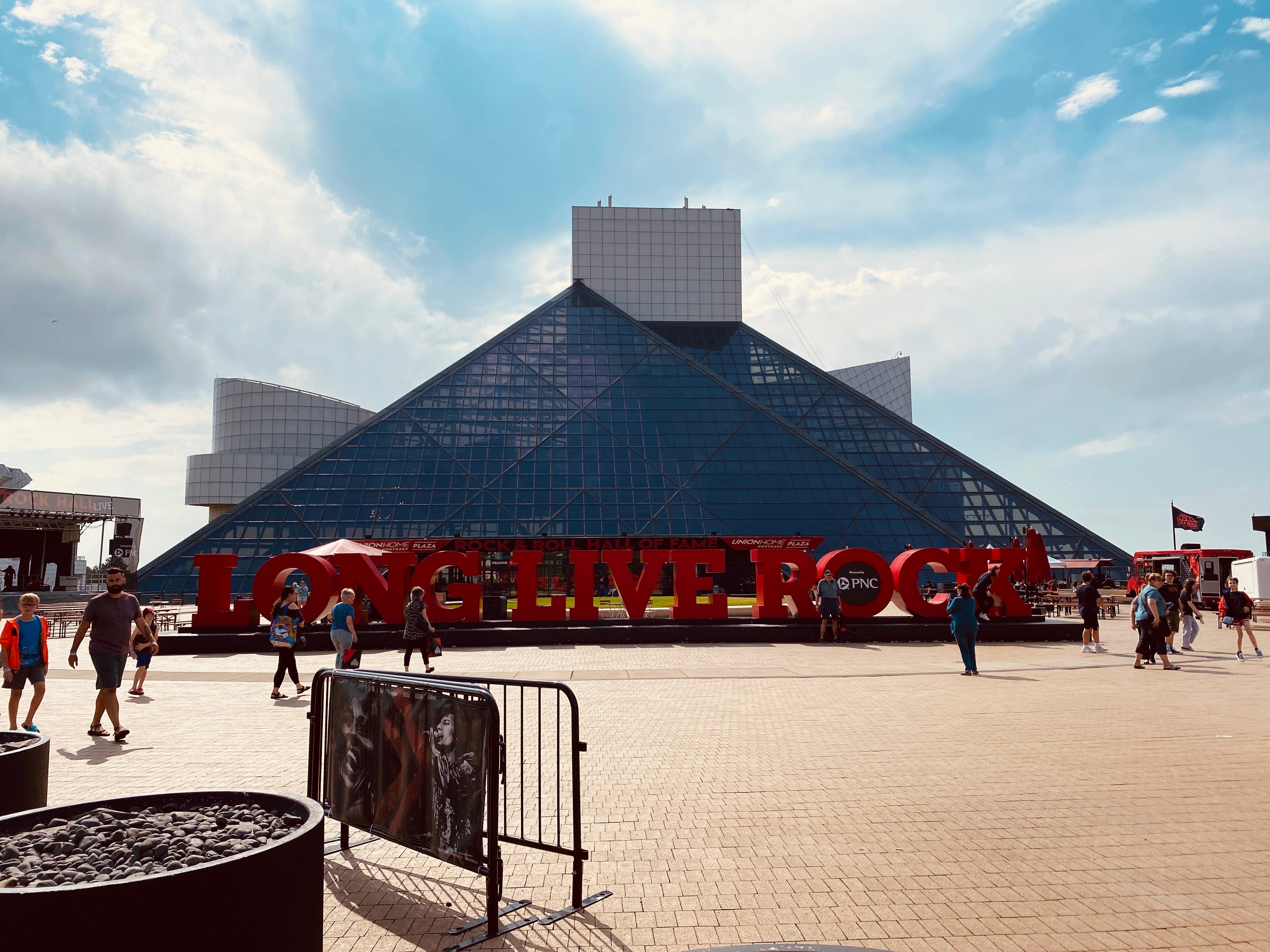
The Rock and Roll Hall of Fame is located in Cleveland, Ohio, primarily due to the city’s significant historical ties to the genre. In the early days of rock and roll, Cleveland was a pivotal hub for the music scene, largely thanks to influential radio disc jockey Alan Freed, who is credited with popularizing the term “rock and roll.” Freed’s radio show in the 1950s showcased a mix of rhythm and blues, country, and rock music, helping to launch the careers of numerous artists.
Far Out Magazine explains the radio connection further in their article “Why is the Rock and Roll Hall of Fame in Cleveland?”:
This, along with the fact that other Cleveland radio stations had kickstarted the mainstream careers of everyone from David Bowie to Bruce Springsteen, saw the foundation give them the honour of opening the museum. They broke ground on the project in 1993 and opened to the public on September 1st, 1995. Since then, the Hall of Fame has become much more than just a tourist attraction.
Additionally, Cleveland hosted some of the first rock concerts and was home to a vibrant music community that embraced the genre’s evolution. The city’s dedication to preserving this rich musical heritage ultimately led to the establishment of the Hall of Fame there in 1986, making it a fitting tribute to the roots and impact of rock and roll music.

Why is the Rock and Roll Hall of Fame So Controversial?
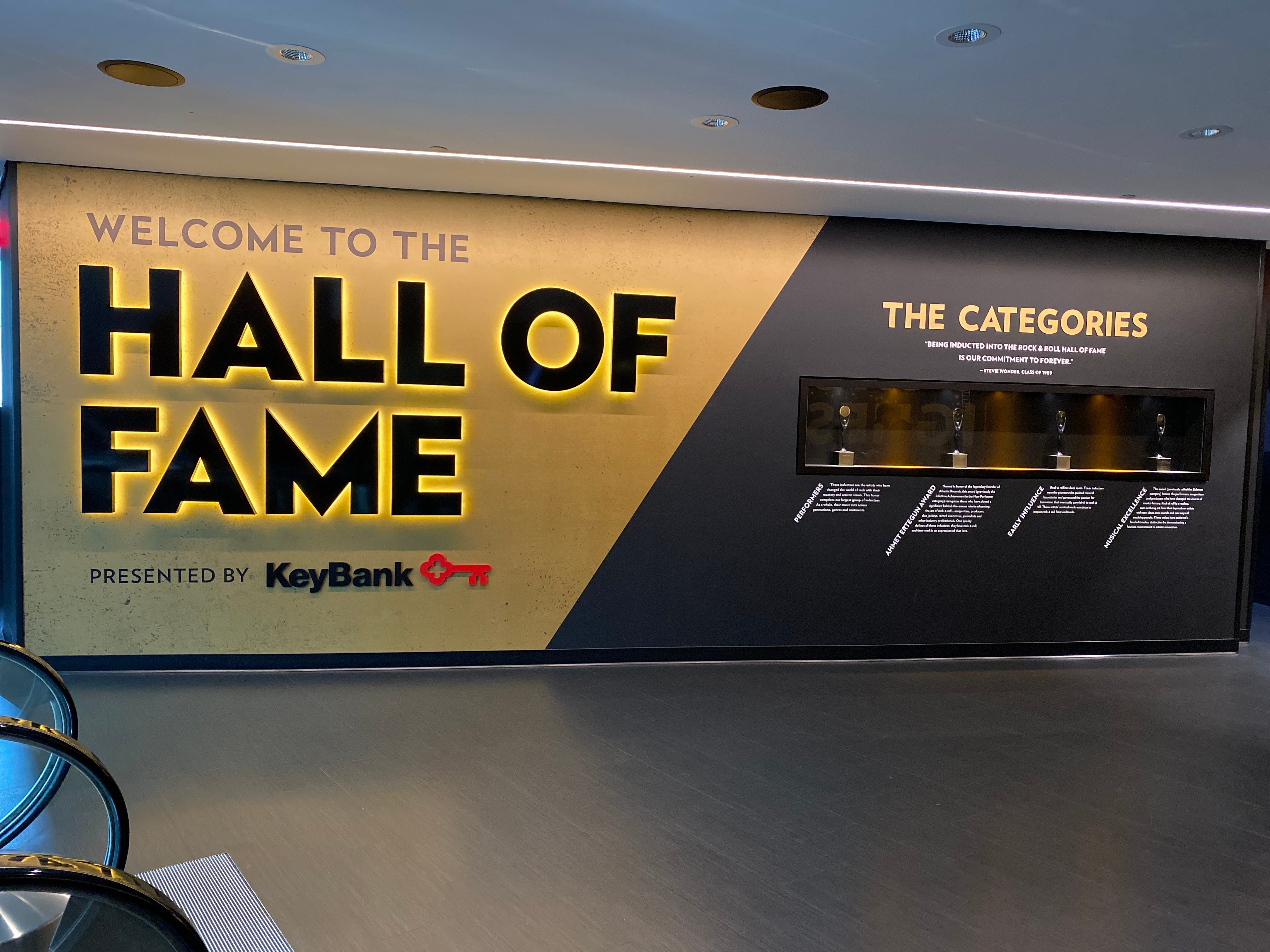
There are several well documented reasons why it is considered controversial and polarizing for music fans
Selection: The Rock and Roll Hall of Fame often faces criticism for its selection process, which some argue lacks transparency and consistency, leading to debates over which artists are honored and which are overlooked.
Favoritism: Many fans and critics point out that the Hall tends to favor certain genres and eras, frequently inducting classic rock artists while neglecting influential figures from genres like punk, hip-hop, and alternative rock, which can create a sense of exclusion.
Subjective Criteria: The criteria for induction are often seen as subjective, with some artists being celebrated for their commercial success while others, who may have had a profound cultural impact, are overlooked, leading to discussions about what truly defines “rock and roll.”
Lack of Female Artists: The Hall has been accused of being slow to recognize female artists, with many iconic women in music, such as Pat Benatar and Chaka Khan, receiving delayed or no recognition, sparking conversations about gender bias in the music industry.
It’s More Than Rock Music: Controversy also arises from the induction of artists who some believe do not fit the traditional mold of rock music, such as pop stars or those from other genres, leading to debates about the Hall’s mission and the evolution of rock music itself.
Who Votes Each Year: The voting body, composed of industry professionals, has been criticized for its lack of diversity, which some argue contributes to the narrow selection of inductees and overlooks groundbreaking artists from various backgrounds.
Posthumous Inductions: Fans often express frustration over the Hall’s tendency to induct artists posthumously, which raises questions about the recognition of living legends and the importance of celebrating artists while they are still active.
The Hall’s annual induction ceremony can become a battleground for fans, with heated discussions on social media and in music circles about who deserves to be honored, reflecting the passionate and sometimes divisive nature of music fandom.
Notable Omissions: Some notable omissions, such as influential bands like The Smiths or artists like Kate Bush, have led to public outcry and petitions, highlighting the disconnect between the Hall’s choices and the preferences of music enthusiasts.
Ultimately, the ongoing debates surrounding the Rock and Roll Hall of Fame underscore the complexities of music history, the evolving definition of rock, and the importance of recognizing the diverse contributions of artists across all genres. In my visit to the Hall, progress seems to be made in terms of addressing other genres of music, but they do have a long way to go.
However, this doesn’t mean you shouldn’t visit. In fact, i’ll explain why you should.

The Rock and Roll Hall of Fame Experience
Starting at Zero: The Ahmet M Ertegum Exhibition Hall


At the time of my visit at the bottom floor of the Rock and Roll Hall of Fame, the special exhibition of the moment of my visit in May of 2026 was saluting Saturday Night Live and its most recent 50th anniversary. As you walk in, you are greeted by video screens showing pictures and video of the various performances in the 50+ seasons of SNL. Walk to your left and you will see a series of interactive touchscreens with headphones, and here you can watch just about every music performance in SNL’s history. You can search by seasons, artists and even featured selections. I personally had a lot of fun with these screens, watching the music performances through the years. You’ll also see various costumes used in the music related skits of SNL including the infamous “More Cowbell” and “Wayne’s World” sketches.


Continue deeper into this floor and you will encounter “The Roots of Rock and Roll” where you’ll learn how Rhythm and Blues, Blues, Gospel and Country, Folk and Bluegrass all played a huge role in forming what is now called “Rock and Roll” You’ll see various guitars, copies of handwritten lyrics, signs, and various memorabilia. There’s also video with various music performances on display.


One area of this lower floor that also drew me was an exhibit on the year in music in 1984. I was born in 1981, and I have been a fan of the music of the 1980’s for several years. I think the music of the 1980’s is incredibly ahead of its time. The 1984 exhibit highlights how several artists and groups released several classic and legendary albums at the same time from Bruce Springsteen’s “Born in the USA” to Prince’s “Purple Rain”, and the numerous classic songs from that year that still get played by young and old today. There’s a certain joy that era of music gives me even though I was a toddler at best!


This floor has wonderful exhibits on Elvis Presley, Fats Domino, Chuck Berry, the Beatles, the Rolling Stones and Jimi Hendrix among other legendary artists and groups. You’ll see their memorabilia, guitars and see their incredible performances.


Finally, this floor features “Cities and Sounds”, featuring the different sounds emanating from each of the cities where Rock and Roll originated from. You’ll hear the Sun Records sound from Memphis and the Motown sound of Detroit, and the polished rock sounds of London and Liverpool in the wake of the Beatles. San Fransisco, Los Angeles, and finally the grunge of Seattle would play a huge role in the creation and evolution of Rock and Roll. I dare you not to tap your leg to the sounds of the music as you walk through.
Moving on up to the Second Floor


On this floor, you will see the Minoff Family Garage, where three “bays” offer different experiences. You can learn how to play guitar, keyboards and drums and even “jam” with others. “Willie’s Acoustic Lounge” and my personal favorite, the Kelvin and Eleanor Smith Foundation Studio, where session musicians and amateurs create the ultimate “karaoke bar” but in a garage setting. This is my favorite part of the museum and Hall by far. I stood and watched various guests in the museum walk in and out and put their best foot forward when it came to singing, or playing guitar and keyboard.
The Third Floor: The Hall of Fame
This floor features the inductees of the Hall of Fame over the years, you’ll see the names and hear the performances. And again, I dare you not to sing or hum along to the music that surrounds you. There’s also “in memoriam” for artists that have recently passed away, and touchscreens where you can listen to the songs of the artists and groups that are in the Rock and Roll Hall of Fame.


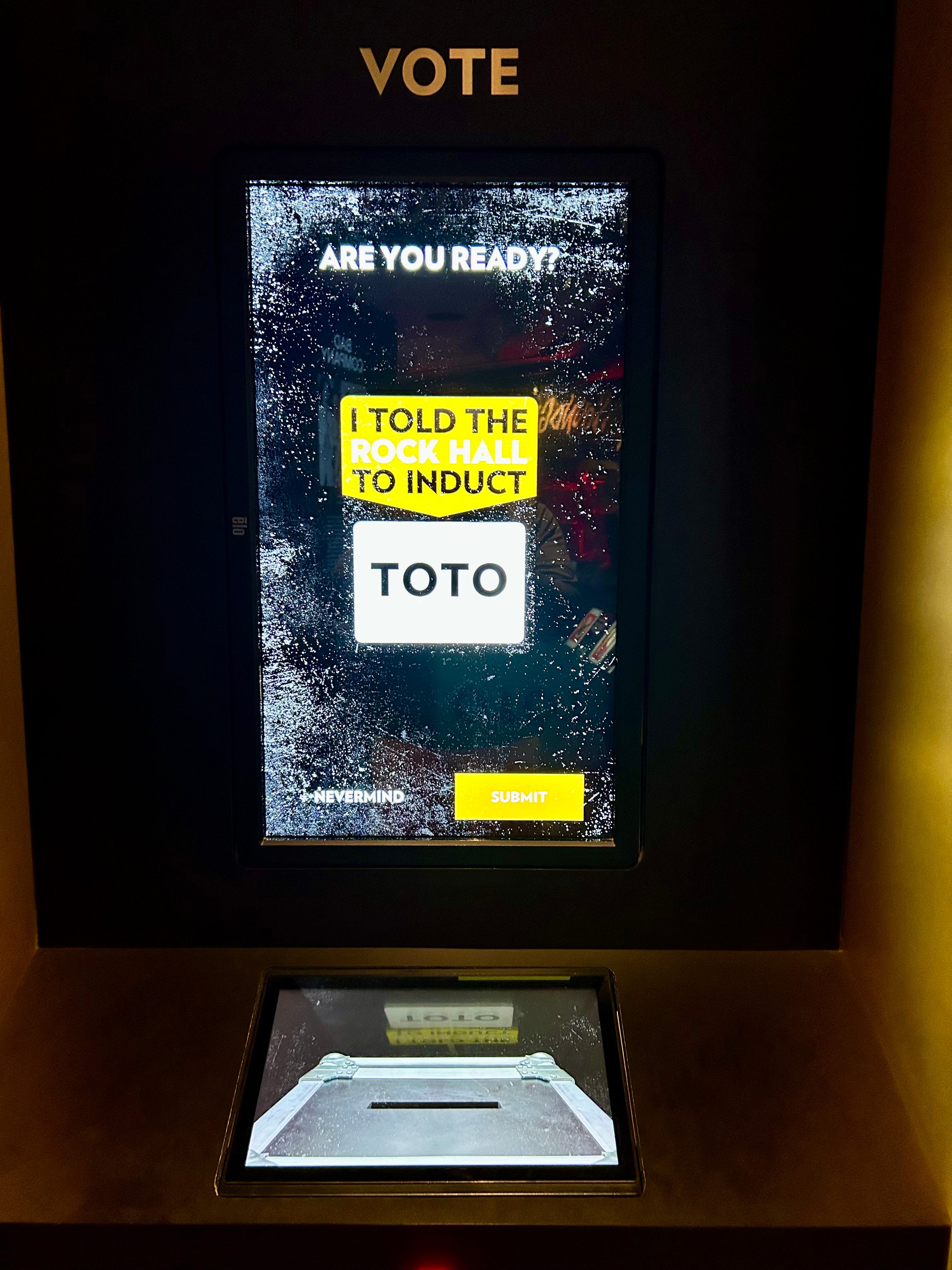
The actual Hall of Fame sits on this floor and features the various inductees over the four decades of the existence of the Hall of Fame. Inductees have expanded over the years from vintage rock and roll artists and groups to other types of music including hip hop, alternative and pop artists - much to the chagrin of purists. There’s also quite a few baffling misses. For example, Phil Collins is finally being inducted as of 2025. Why did it take this long? The man is a legend! Also, one such group that I think should be inducted is Toto. Their hits include “Rosanna”, and my personal favorite “Hold the Line”. It’s not their music and their talent, but the sheer amount of contributions they have made to other artists and groups. I made my voice heard in the vote for the group.
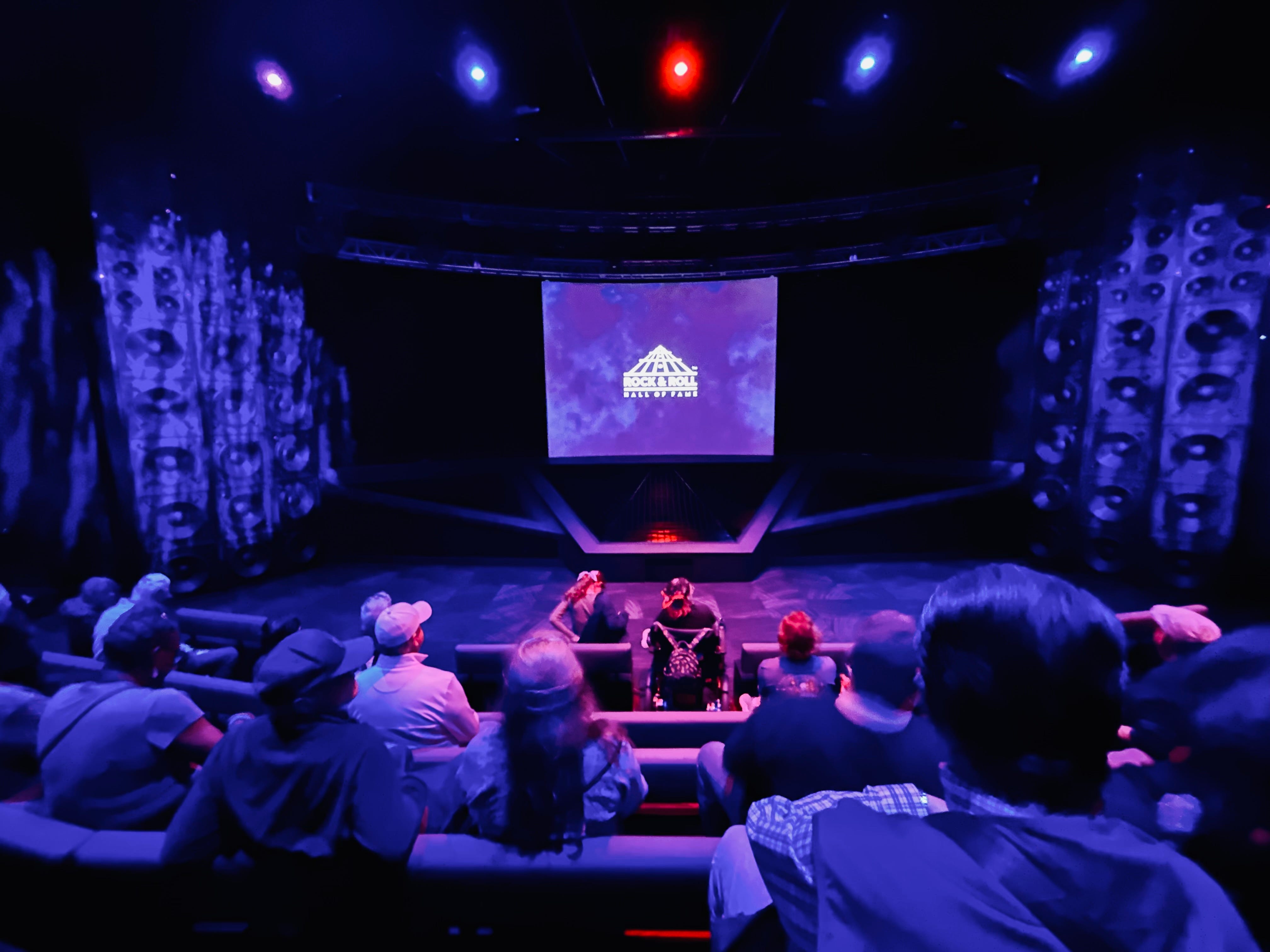
If you’re so inclined, check out “The Power of Rock”, a 15 minute documentary film featuring numerous performances at the Rock and Roll Hall of Fame inductions over the years complete with flashing strobe lights, expanding screen and the bass on your feet. This film concludes with the legendary performance of Prince and Tom Petty covering “While my Guitar Gently Weeps”. There are showtimes throughout the day and it’s included in the admission price.
The other floors featured mostly temporary exhibits and are worth at least walking around.

Why You Should Visit


This particular Hall of Fame connects with humanity’s love for music. We all have the radio on, or our respective streaming music services and even our respective CD and vinyl collections. But one thing is for sure, music connects us all. It’s the ultimate peacemaker. I have friends who I have my disagreements on, but we can always come together on shared music. This is my second visit to the Hall and it was as wonderful as it was the first time. It is fully interactive and captures at least the sight and sound of your senses. You’ll find yourself tapping along to the music, and be drawn by the visuals of the performances around you. It’s a real feast for the senses. You’ll learn about the history and growth of Rock and Roll, see and feel the memorabilia, and connect with a part of yourself that we all often take for granted. It’s the way music makes us feel, and how good music gets right into your soul.

Where to Eat and Drink: Mabel’s BBQ
I arrived on a rainy Tuesday evening (Cinco De Mayo nonetheless!) and it was busy enough but there were some seats at the bar. This is a restaurant owned by Cleveland native and Food Network host Micheal Symon. I started with a Mabel’s Fancy Manhattan, which seemed pretty close to an old fashioned. Yet, I still enjoyed it! After my drink, it was time for food.


I got the fatty brisket with a bourbon flight. The brisket was incredible, so much flavor, and very tender. The bark was a good blend of chewy and crispy, the fat and flavor was marbled throughout the meat. The sauces are good too, but you really only need them for the slice of rye bread. You won’t need them for the brisket. Pickles have a sweet and savory flavor and the Cole slaw was great, mostly a vinegar based so it wasn’t drenched in mayonnaise. I had this meal the last time I was here and was very pleased that nothing had changed. Why mess with success after all!

Where to Stay: Hyatt Regency at the Arcade
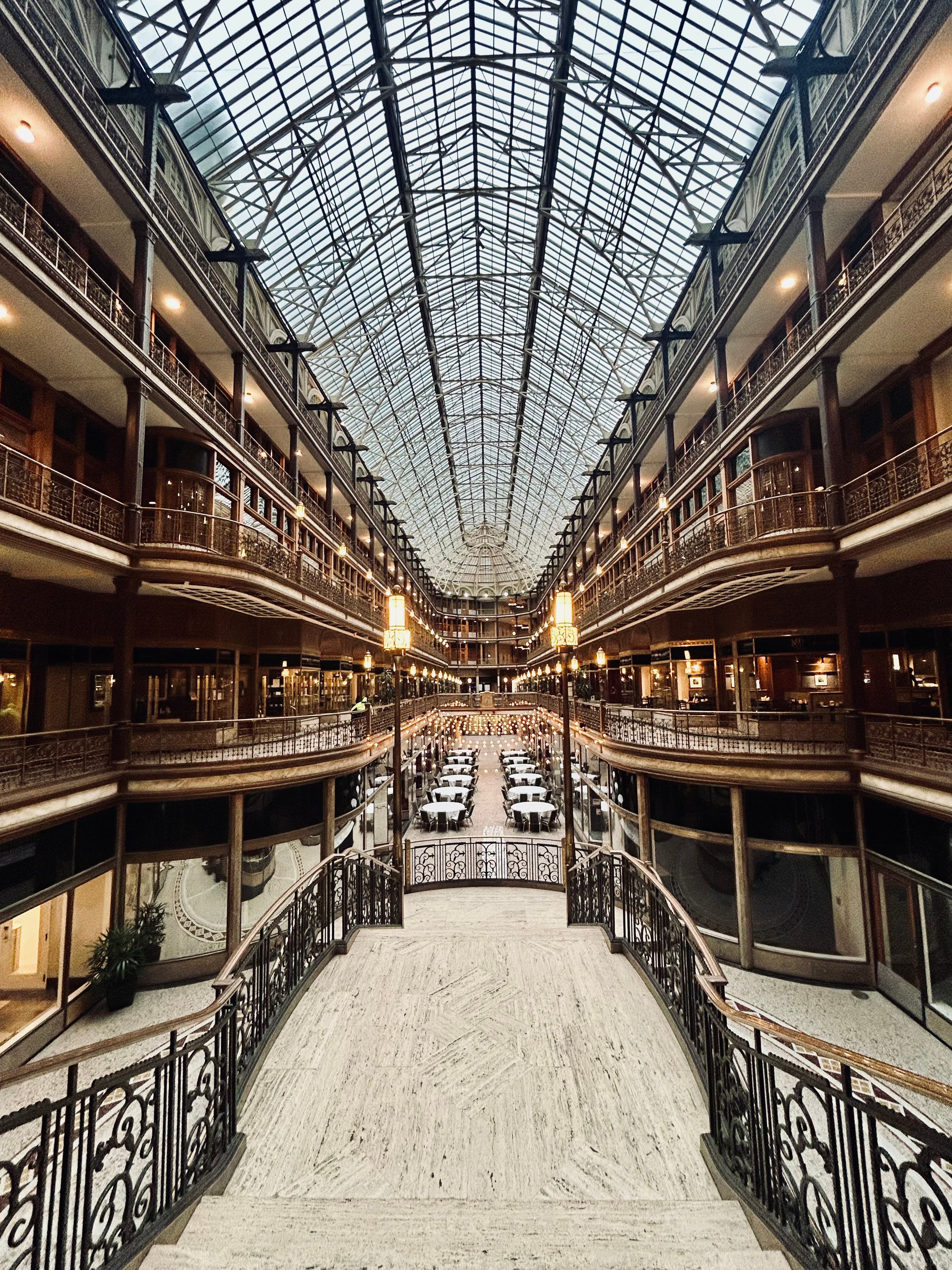
I walked through this building on this rainy evening and I was amazed at the incredible architecture! Opening in the late 1800’s, The Arcade was one of the first indoor shopping malls in the United States. Initially conceived as a commercial space, The Arcade housed a variety of shops, restaurants, and offices, and it quickly became a social hub for the community, reflecting the economic prosperity of the era. Over the years, the Arcade experienced various transformations, particularly during the economic downturns of the 20th century. As retail trends shifted and the rise of suburban shopping centers began to take hold, the Arcade fell into a period of decline, leading to its eventual closure in the late 1980s. However, the historical significance of the Arcade did not go unnoticed. In the early 1990s, a major restoration project was initiated, aimed at revitalizing the structure while preserving its architectural integrity. This ambitious endeavor not only restored the Arcade to its former glory but also reestablished it as a vibrant commercial and social space, complete with modern amenities while retaining its historic charm.
Architecture After Life discusses the modern use of The Arcade in a setting that honors its past:
Today, The Arcade stands as a vibrant example of Cleveland’s capacity for innovation and reverence for its past. It serves as a bustling hub of activity, housing not only the Hyatt Regency hotel but also an array of shops, eateries, and public spaces that welcome visitors from near and far. This blend of historical architecture and modern functionality makes The Arcade a unique destination in downtown Cleveland, offering an immersive experience that bridges two centuries of urban development.
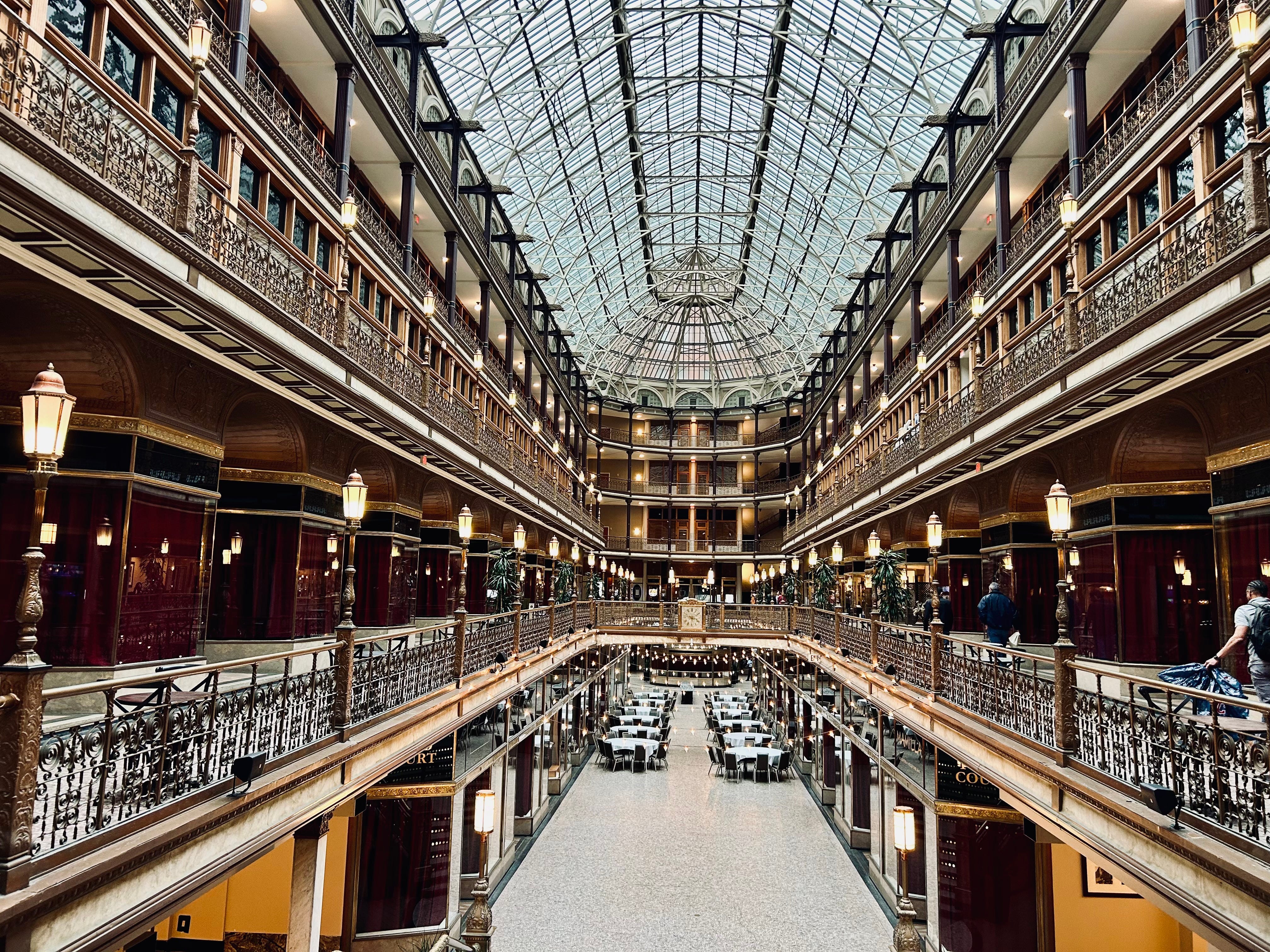
This iconic structure also houses a Hyatt Regency hotel. The Hyatt Regency boasts a selection of elegantly furnished rooms and suites, each thoughtfully designed to ensure both comfort and style, making it an ideal retreat for travelers, whether for business or leisure. Visitors can take advantage of a variety of amenities, including a well-equipped fitness center, on-site dining that highlights local culinary delights, and convenient access to nearby attractions like the Rock and Roll Hall of Fame and the lively downtown scene. You’re right in the center of it all, and you get this glorious view when you walk in and out of your room.
The Hyatt Regency at the Arcade is located at Cleveland’s Arcade, located at 420 Superior Ave in Cleveland, OH. Check their website for more information, valet and self parking are located nearby.
Book through this link and I get a nice commission!
