Soak in Baseball History at the Baseball Hall of Fame
Discover the fascinating history of America's favorite pastime with our review of the National Baseball Hall of Fame and Museum.

I did not grow up a baseball fan, I became one. I grew to love the game through my love of movies, and more importantly, sports movies. Growing up in the early 1990's, there was a wealth of baseball films to choose from. As a kid, I connected with the experiences of the boys of "The Sandlot" and laughed at the antics of the kid that had the rocket pitching arm in "Rookie of the Year". As I grew older, movies like "Major League" would make me laugh, and I found a deep connection with the father-son narrative in "Field of Dreams". And who could forget the late, great Chadwick Boseman's unforgettable portrayal of Jackie Robinson in the iconic movie "42"? During my time in college, my appreciation for baseball grew to the point where I now proudly call myself a "long suffering New York Mets fan." But hey, the team has a promising future! Still, you can't just focus on what's ahead; it's essential to reflect on the past and understand how we arrived at this moment. Nestled within the village of Cooperstown, in a rural area of Upstate New York is the museum that honors the history of baseball. This unassuming building known as the National Baseball Hall of Fame is chock full of baseball memorabilia, photos, videos and the feelings of baseball, and connects to the baseball fan within all of us.

Explore the National Baseball Hall of Fame and Museum


As you step into the Hall of Fame museum, you'll be greeted by a collection of statues representing various baseball players from different eras. Upon entering, you simply pay the admission fee and receive a wristband. They will inform you of their closing time (my suggestion is to arrive around opening time if possible), and you have the freedom to leave and come back as often as you like throughout the day. This flexibility is great since there’s so much information that it could be a bit overwhelming for some visitors. Personally, I enjoy museums, but I appreciate having breaks even more. It’s also a wonderful way to contribute to the local economy. Once inside the museum, you’ll find three floors, and a guide will recommend starting on the second floor. This area covers the history and evolution of baseball, and that’s where we'll start!
Start on the Second Floor: Digging into America’s Pastime
“Baseball is a ballet without music” - Ernie Harwell, 1935
The second floor is a blend of older exhibits on legendary ball players from the game but also newer (and more colorful) exhibits on different aspects from the game with contributions from black, Latin and women ball players. Similar to many museums, this one also features a film to welcome its visitors. At the Grandstand Theatre, guests are treated to a 15-minute film that explores the reasons behind baseball's enduring connection with people, as well as significant moments in its history. While I awaited the film, I started my visit at the exhibit titled Picturing America’s Pastime, which showcases a collection of candid black and white and color photographs of baseball players. I have a particular fondness for candid photography, as it captures moments in their most genuine and unfiltered form, allowing viewers to form their own interpretations. I also have a deep appreciation for baseball photography. As I continue to travel, my goal is not only to explore all 50 states but also to see every baseball stadium across America. The candid images included legendary baseball player George "Babe" Ruth interacting with Japanese baseball players during a visit to the Fresno Athletic Club in 1927, a time known for “barnstorming,” when baseball players and teams traveled extensively throughout the country. As a Mets fan, I found it amusing to see a photograph of Homer the Beagle cheering for the Mets while “holding” a Lets Go Mets sign. The candid photographs also featured former pitcher Tim Lincecum, recognized for his unique windup before pitching, and Jackie Robinson, who finally disregarded the “keep out” sign at the Dodgers facility, paving the way for integration in the sport.


The next stop was the Taking the Field exhibit, which explores baseball’s origin story in the 19th century featuring numerous preserved artifacts including figurines, plates, uniforms, baseballs, bats and newspaper articles. There was also a homemade trophy of baseballs and bats. You’ll see how the game evolved from backyards and parks to grow more organized and eventually into a business with the formation of the National League in 1876. This would form one half of the nucleus that Major League Baseball represents today. The American League would form in 1901, and both currently constitute Major League Baseball as it stands today. I then proceeded to the exhibit focused on Babe Ruth, which chronicles his life story, starting as a pitcher for the Red Sox and later transforming into the iconic hitter he is celebrated as today, culminating in his transfer to the Yankees, which cemented his legacy in baseball history.
One exhibit that really caught my attention was The Souls of the Game, which chronicles the history of the Negro Leagues and the eventual integration that occurred when Jackie Robinson broke the color barrier in 1947. Although it occupies a limited space, it is thoughtfully designed with a variety of artifacts on display, illustrating how, despite segregation, team owners made significant advancements in enhancing the game, making integration inevitable, and it was the right thing to do. Baseball is the first of the major sports to integrate its players, remarkably ahead of its time.


I explored the exhibit on women in baseball, titled Diamond Dreams. It highlights the many women who have served as announcers, journalists, team owners, and have managed the front offices and operations of baseball teams. If you’ve ever watched the movie "A League of Their Own," you might be interested to know there’s an exhibit dedicated to the AAGPBL, a women’s professional baseball league that was active from 1943 to 1954. Given the growing success of women’s sports, it raises the question of whether this league could potentially make a comeback in the future as the female counterpart to Major League Baseball.
I moved on to the very colorful Viva Baseball, which highlights the contributions of Latin ballplayers. From the very beginning, you'll see that the exhibits are presented in both English and Spanish, which I found captivating since I've always been curious about how and why the game has such a strong presence in Latin America. It all began in Cuba when students who were traveling in the United States discovered the game in the 1850s and brought it back to Cuba in the 1860s, where it quickly gained popularity, primarily as a form of resistance against Spanish colonial rule. Cubans began to spread baseball throughout the Caribbean. It then made its way to the Dominican Republic, where many semi-professional and farm teams emerged. Puerto Rico welcomed baseball at the turn of the century, further boosted by the arrival of the US Military on the island. Eventually, Mexico, Venezuela, and Central America also adopted the game. One thing I continually hear and observe is that baseball has a certain rhythm to it, whether it's from a pitcher or a hitter, and I wholeheartedly agree. Perhaps that rhythm is what makes the game so appealing.


Finally, the Whole New Ballgame exhibit the Whole New Ballgame exhibit explores the cultural influence and development of the game over the past 50 years. I found this particularly intriguing as it delves deeper than just the surface of baseball, analyzing the essential elements that drive the game. Topics like free agency, franchise relocations, Sports Illustrated covers, movie posters, and the numerous products released throughout the years are all included. Additionally, there’s a video board featuring a collection of amusing and captivating highlights.
Continuing onto your Second Stop to the Third Floor


I started my journey at Your Team Today, and as you enter, you'll notice the inductees for this year's Hall of Fame. The induction ceremony typically occurs in July and is quite a sight to behold. During my time there, I spotted the large posters featuring Todd Helton, Jim Leyland, Joe Mauer, and Adrian Beltre. Additionally, you'll find a collection of baseball lockers that represent all the teams in Major League Baseball. This exhibit, called Your Team Today, showcases a variety of artifacts from each team, reflecting their recent history, all beautifully displayed in glass cases. As a Mets fan, I was drawn to the display that featured several items, including the helmet worn by David Wright during his final game on September 29, 2018. It also highlighted the no-hitter achieved by the team in 2022 and the Mr. Met Trumpet, which was played during Edwin Diaz's entrances as the closing pitcher that season. Furthermore, there's an area called Shoebox Treasures that displays collectibles from the game, ranging from baseball cards to trading cards, and you even have the option to create your own custom card. Lastly, Autumn Glory showcases the development of the baseball postseason playoffs and the World Series, featuring a display of numerous World Series rings.
One Last Stop is the First Floor


The first floor ultimately serves as the concluding point of the museum, featuring an art exhibit focused on baseball. The crown jewel here is the Hall of Fame Gallery, which showcases busts and life-size statues of baseball players and coaches from their playing days, along with concise biographies of each. This part of the museum is intriguing as it highlights the names that have been inducted over the years. However, there are certainly some prominent figures absent from this list who merit recognition, and it is hoped that this will be addressed in the future. Visitors will encounter baseball players who are not without their flaws, igniting ongoing debates among fans about the intersection of statistics and personal character. Regardless, this section of the museum is truly impressive and should not be missed during your visit. My last stop was Baseball at the Movies, which connects to how I first became a baseball fan! Here, you can find various movie posters, including Field of Dreams, 42, Rookie of the Year, and Major League, among others. Additionally, the gift shop is located on this floor, offering custom jerseys, memorabilia, magnets, t-shirts, and much more. However, it might be worth exploring the surrounding area for these items, as you may find more unique options at better prices!
The National Baseball Hall of Fame and Museum is located on 25 Main St in Cooperstown, NY. Check the website for admission fees, along with any potential discounts, and hours of operation. If you're a member of the museum, and active military, your admission is FREE. You will be provided with a wristband where you can enter and exit the museum as you please.
There is parking in front of the building, but depending on the time of year you visit, it could be very busy so plan accordingly. Free parking is available during the "offseason" months, but paid parking rules are in effect from Memorial Day to Columbus Day and the town discourages parking in the downtown area. You will see numerous parking signs near and around the museum.
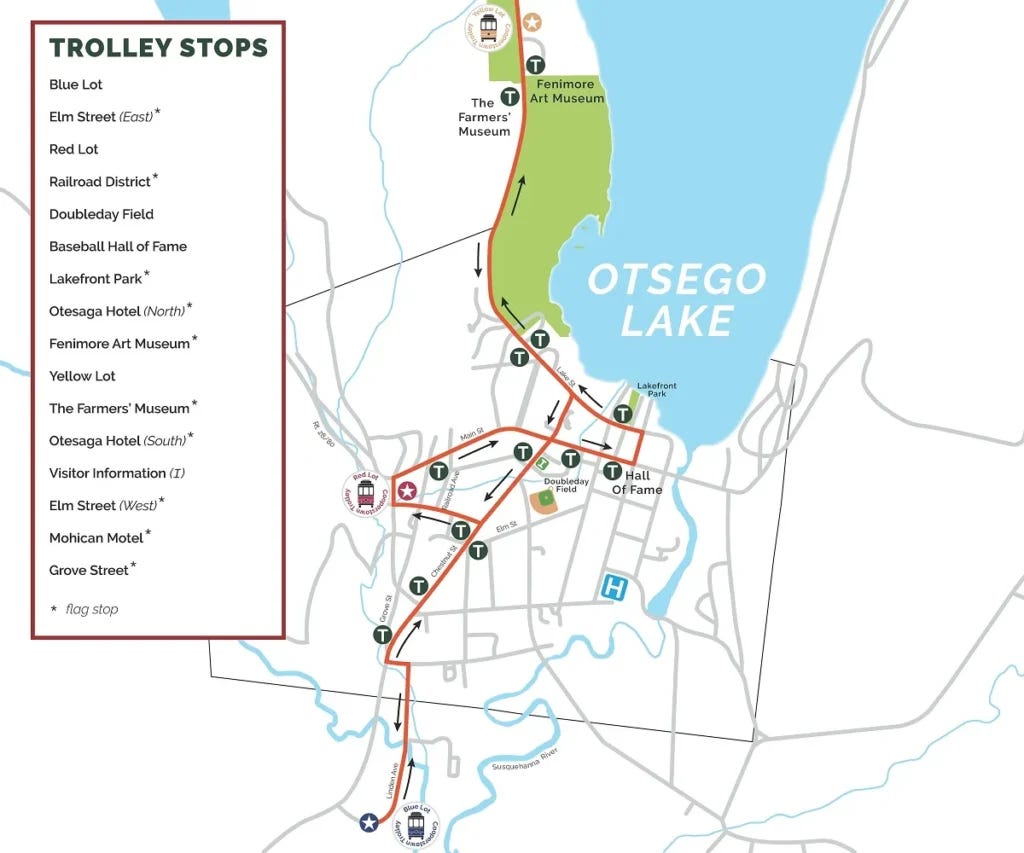
If you are visiting during the mid-June to late-August, it is recommended that you "park and trolley", where you can park in one of three "trolley perimeter" parking lots and the trolley line connects the city's various attractions, including the Fenimore Art Museum, Fenimore Farm and Country Village, and of course, the Baseball Hall of Fame (see map below).
Keep in mind that Hall of Fame weekend in late July, is by far the busiest time of year for Cooperstown. In that case, I recommend booking your experience through Sports Travel and Tours as they can handle most of the larger details allowing you to relax and enjoy your experience.

Walk and Wander through the streets of Cooperstown


The museum is clearly the main attraction in this small town, and a mini industry of baseball has developed around it. In this small downtown area, you’ll find a mix of local restaurants, bars, tap rooms, coffee shops and of course, baseball stores. Everything from merchandise like jerseys, shirts and hats of every team and player to baseball cards and collectibles. If you’re a baseball fan, this is the town for you. This is also small town America in full display. You won't see big chain stores here, it's all "mom and pop" shops and it's a wonderful throwback to a time where that was far more commonplace. Unfortunately, I also noticed a lot of closed shops in the downtown area as well.
Where to Stay in Cooperstown
Cooperstown offers a variety of campsites, locally owned bed and breakfast hotels, and vacation rentals. Being situated in a more rural area of Upstate New York, you won't find many hotel chains in the vicinity. In fact, this part of New York state lacks major interstate highways. The nearest town to Cooperstown is Oneonta, which has a few chain hotels. Utica and Albany are both a short drive away from Cooperstown, approximately 60-90 minutes, and provide more accommodation options. During my visit, I stayed at the Residence Inn Albany Airport, which was quite pleasant. The drive from my hotel to Cooperstown took about 90 minutes, mostly along scenic highways. You can certainly enjoy a long weekend in this area of New York state, as Cooperstown is located at the end of Oswego Lake and lies in the eastern part of the Finger Lakes region in Upstate New York.

Things to Do in Cooperstown
Cooperstown is not just for baseball history, there are plenty of other area attractions to check out while in town:
Fenimore Art Museum: Art museum that features numerous Native American artifacts, landscape paintings, all set within a 1930's neo-Georgian mansion. Located at 5798 NY-80, Cooperstown, NY, open daily from 10am-5pm.
Fenimore Farm & Country Village: Reenactments of village life in Cooperstown in the 19th century, with farm animals and a carousel on site. Located at 5775 NY-80, Cooperstown, NY just down the road from the Fenimore Art Museum, open daily from 10am-5pm.
Hyde Hall Mansion: Overlooking Ostego Lake, this historic mansion preserved from the 1800s features mansion and ghost tours. Located at 267 Glimmerglass State Park Road, Cooperstown, NY. This is a seasonal attraction, only open from Memorial Day weekend until Halloween. Check website for tours if interested.
Glimmerglass State Park: Park that includes a beach facing Ostego Lake, wooded trails featuring numerous wildlife - including an uphill trail that overlooks the lake. Hyde Hall Mansion is located within the park's boundaries, but tours are available for separate admission as mentioned.
Glimmerglass Queen Boat Tours: Take a cruise along Ostego Lake! Great way to introduce yourself to this lovely area of Upstate New York. Tours depart and arrive at the Lake Front Hotel on 10 Fair St, Cooperstown, NY. Tours are seasonal and in operation between Memorial Day weekend and Columbus Day weekend - trips run Weds-Sunday at the start and end of the season, but runs daily between late June and late August.
Heroes of Baseball Wax Museum: Hall of Fame baseball players and Hollywood characters immortalized as wax statues. Located at 99 Main St, Cooperstown, NY, open daily 10am-7:30pm.

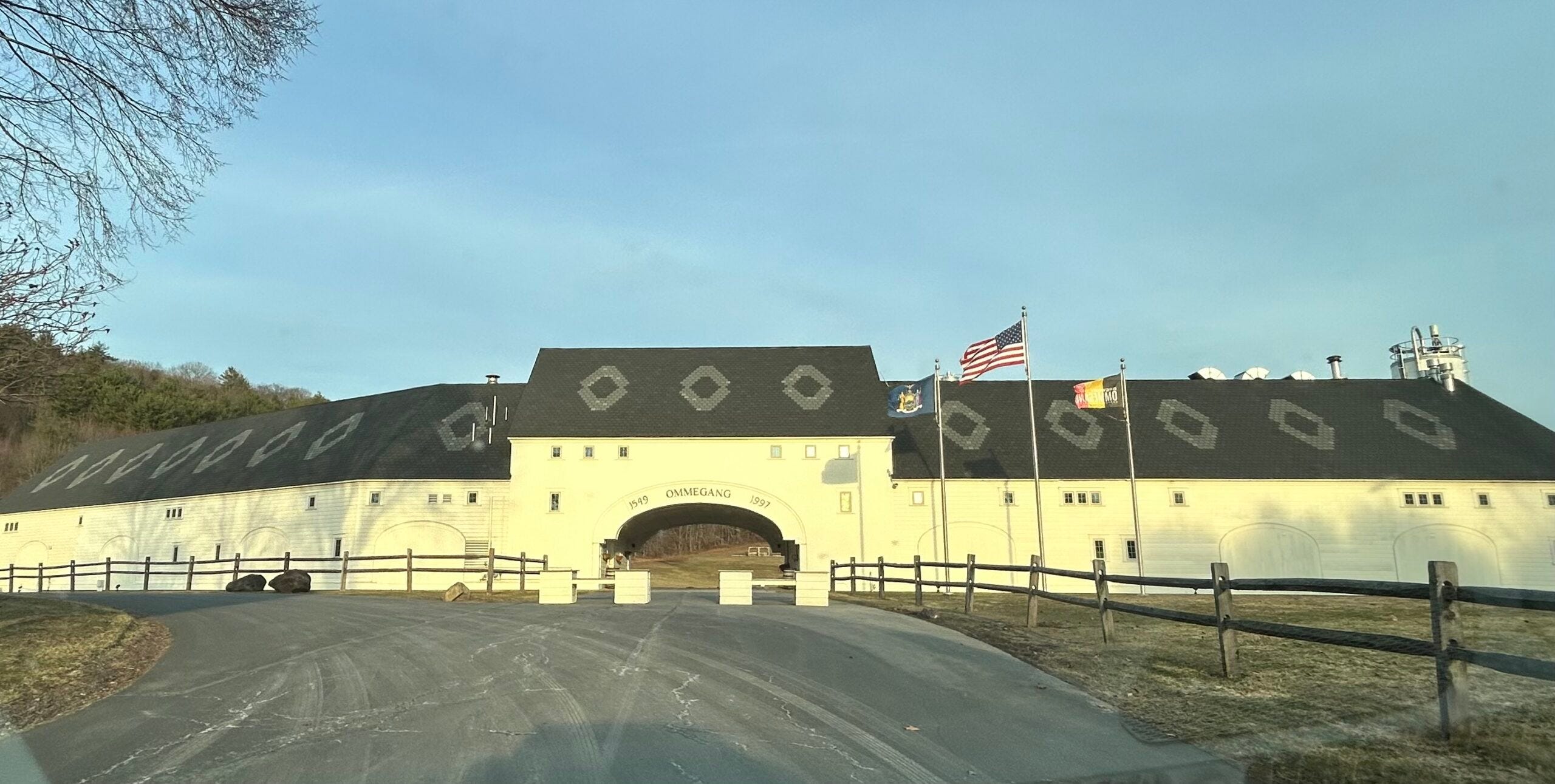
Where to Drink and Eat in Cooperstown: Brewery Ommegang
Brewery Ommegang has been in business since the late 1990s and is well-known for its Belgian-style beers. In addition to these, they also produce a range of other beers. I have enjoyed their brews for many years, and lately, I've found myself gravitating more towards the Belgian style beers. This prompted me to visit their home base in Cooperstown, where they also serve food. I settled in for a beer flight, and maybe one more afterwards (with food of course!)
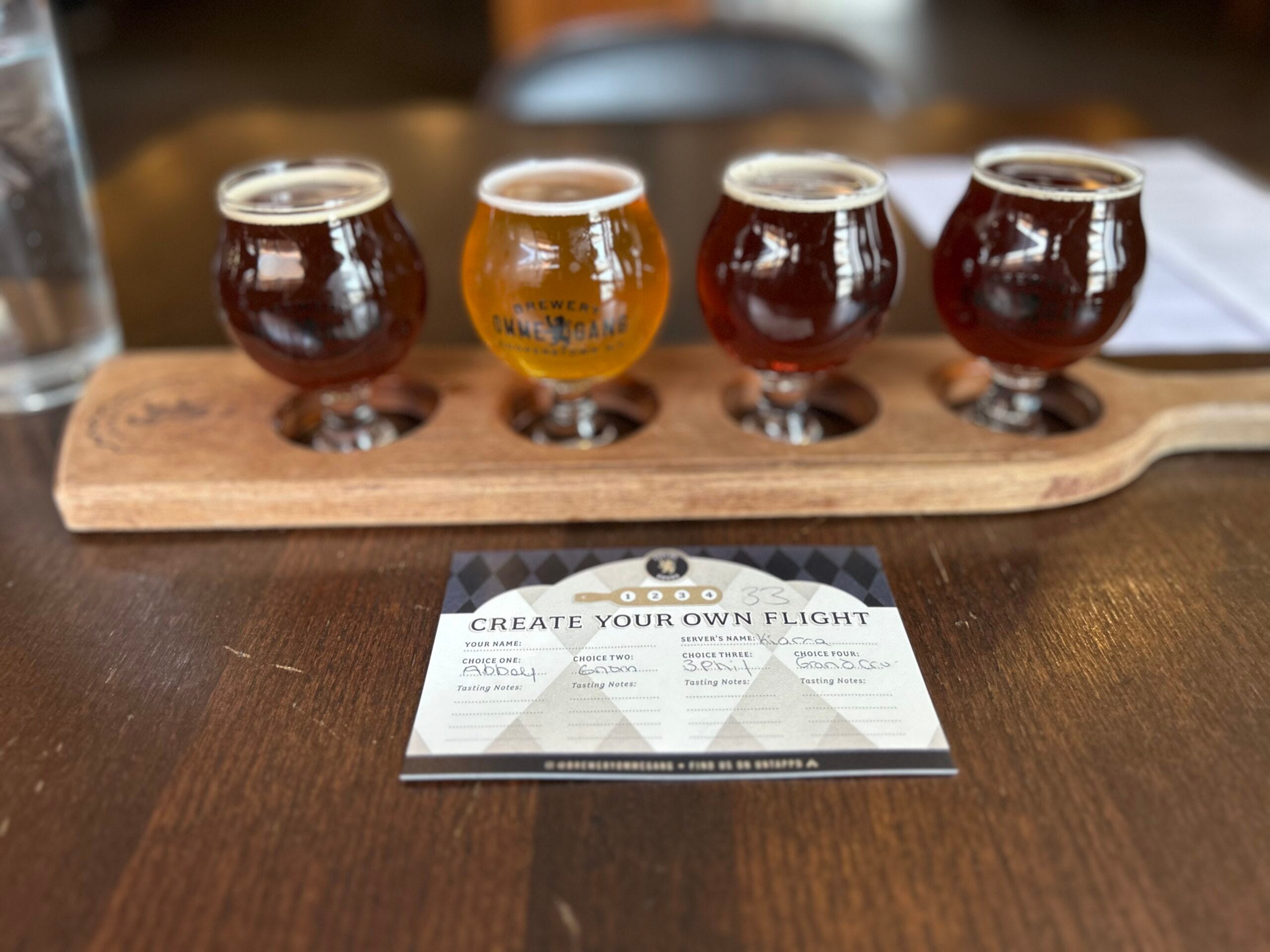
My beer flight consisted of the following beers:
Abbey Ale: A Belgian Dubbel with sweet orange peel, coriander, cumin, star anise and licorice.
Gnommegang: A Belgian style blonde ale
Three Philosophers: Belgian style quad with a hint of Belgian kriek
Grand Cru (special): Belgian Duark aged in bourbon barrels for 9 months and then blended with a quad
Grand Cru wins in a stunning upset. I didn’t think it would beat the standbys Abbey Ale and Three Philosophers but it did. Aging beer in bourbon barrels only works sometimes but not only does this work, it smooths out the rough edges and it gives it a nice smooth flavor. It’s a quadruple, so it’s a bit strong, but it has a clean finish. My second favorite is the Gnommegang, which was light and refreshing, and one I started with!
Brewery Ommegang has a limited food menu, with appetizers and entrees available, and usually some specials. For entrees, they have the usual standbys - burgers, chicken tenders, chicken sandwiches, veggie burgers, etc. I did notice a chicken and waffles, and since I don’t have that all the time, I settled on that. I also wanted food that would pair well with a full pour of the Grand Cru.
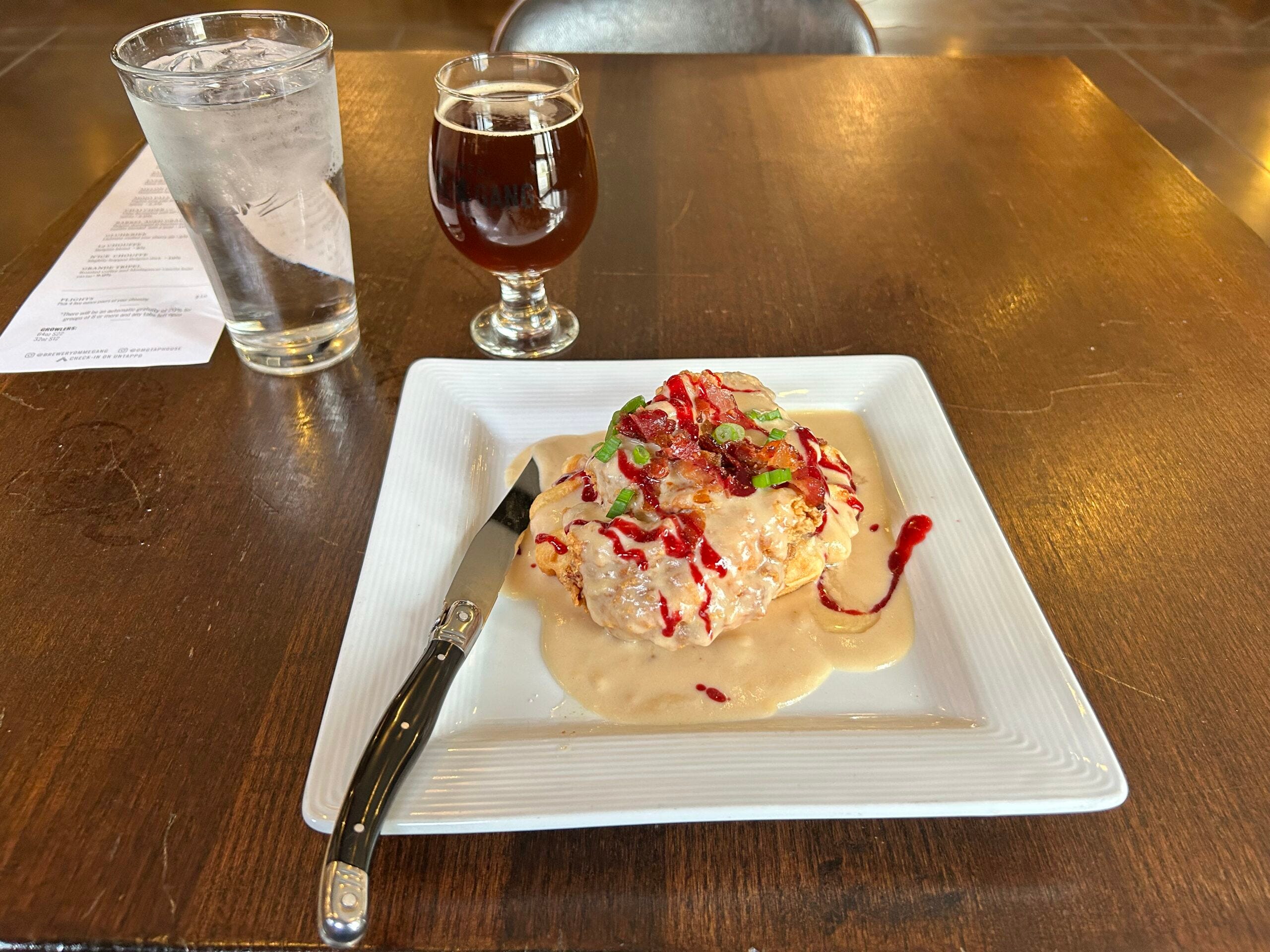
This did not disappoint. A buttermilk chicken breast sitting on top of a Belgian waffle dressed with maple syrup, cream, strawberry jam, bacon and green onions. How can you go wrong? And it was as good as it sounds.
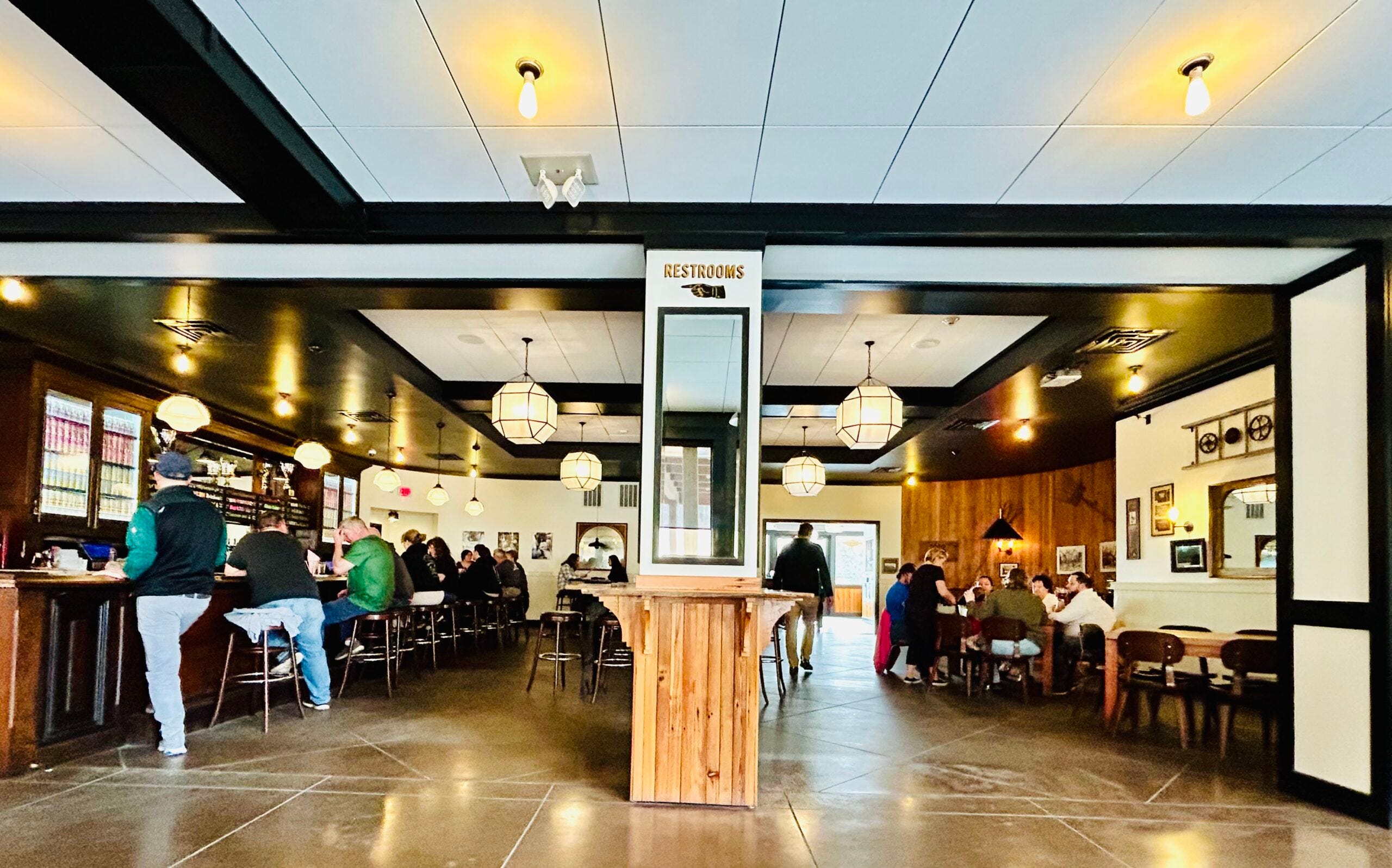
Brewery Ommegang has plenty of seating and a lively atmosphere, the service is fantastic, and it is a great stop if you’re heading back to your hotel or just want a place to relax and unwind after a day of baseball history. Their beers are top notch and the food is fantastic. You really can’t go wrong.
If you're interested in guided tasting tours, where the staff will guide you through your tasting journey, there are numerous slots available on the weekends. Tastings include a complementary draft pour.